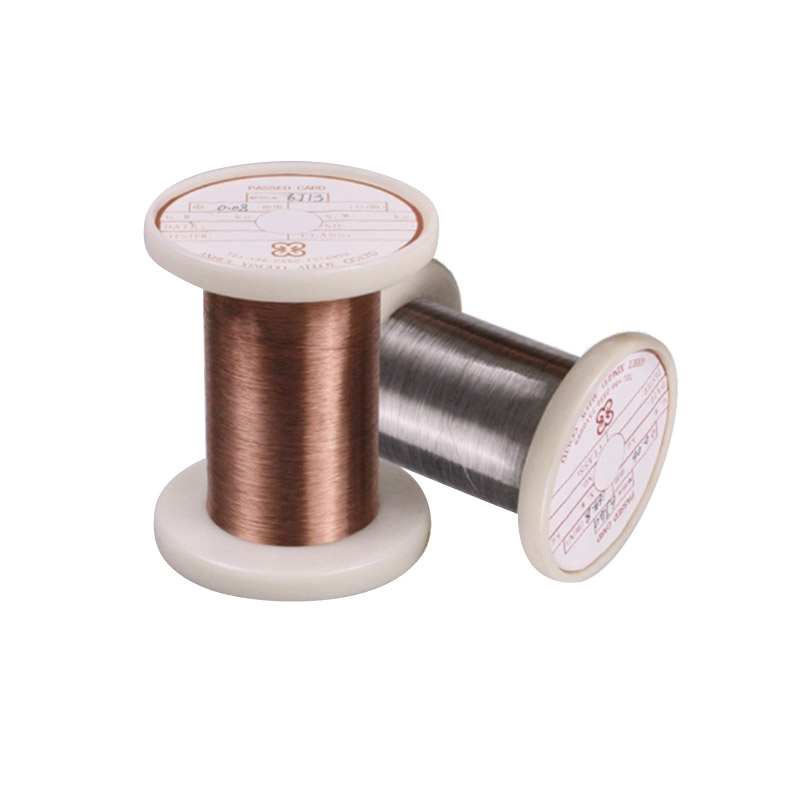
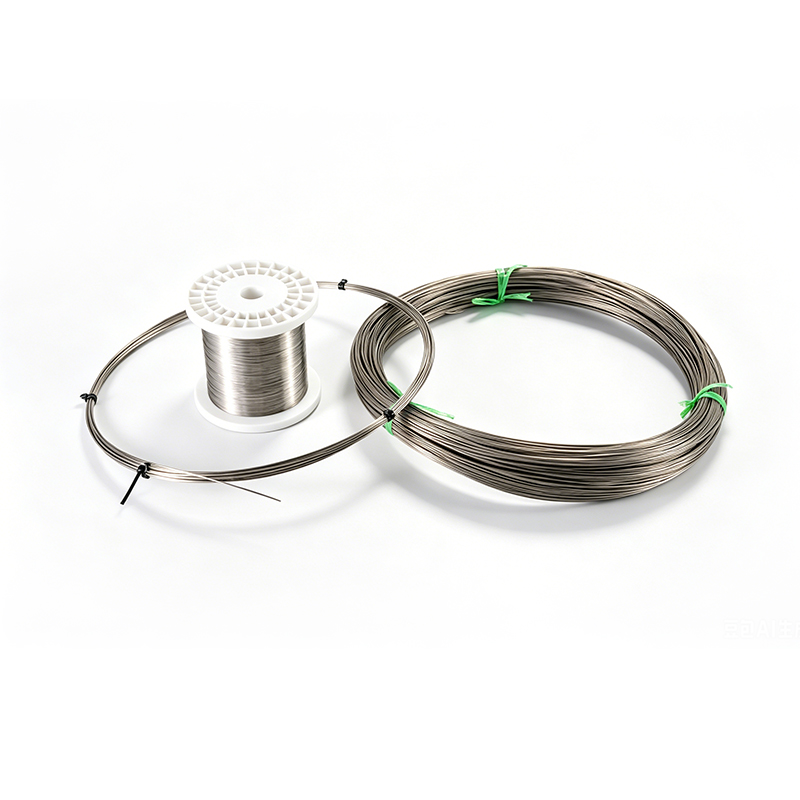
RTD هو اختصار لكاشف درجة حرارة المقاومة. هذا هو السؤال الأول الذي يدور في ذهن كل مهندس مشتريات يرى كلمة "RTD" على الرسم، وتأتي الإجابة مباشرة من مبدأ عمل المستشعر. يستخدم RTD عنصرًا معدنيًا تزداد مقاومته الكهربائية بمعدل معروف مع ارتفاع درجة الحرارة. تسمح هذه الخاصية للمستشعر بالعمل كمقياس حرارة دقيق في العمليات الصناعية.
الاسم الكامل يتكون من ثلاث كلمات ذات معنى. تشير المقاومة إلى خاصية كهربائية قابلة للقياس. درجة الحرارة هي الكمية الفيزيائية التي يتم الكشف عنها. يصف الكاشف دور العنصر داخل المسبار. عند مقارنة قراءة المقاومة بجدول المعايرة، يعمل المستشعر ككاشف مفيد لدرجة الحرارة.
في Xinguo Group، نقوم بتصنيع منتجات RTD في خط إنتاج أجهزة درجة الحرارة لدينا، بما في ذلك RTDs المغلفة، وRTDs التجميعية، وRTDs المقاومة للانفجار، وRTDs المقاومة للتآكل، وRTDs المصممة لتطبيقات محطات الطاقة. باعتبارنا موردًا ومصنعًا لأدوات درجة الحرارة الصناعية، فإننا نعمل مع المشترين الذين يحتاجون إلى فهم الفرق بين أنواع RTD قبل تقديم طلب بالجملة. يشرح هذا الدليل ما يعنيه RTD، وكيفية عمل المستشعر، وما هي الأنواع المتوفرة، وما هي الاعتبارات الأكثر أهمية عند اختيار RTD من المورد أو الشركة المصنعة.
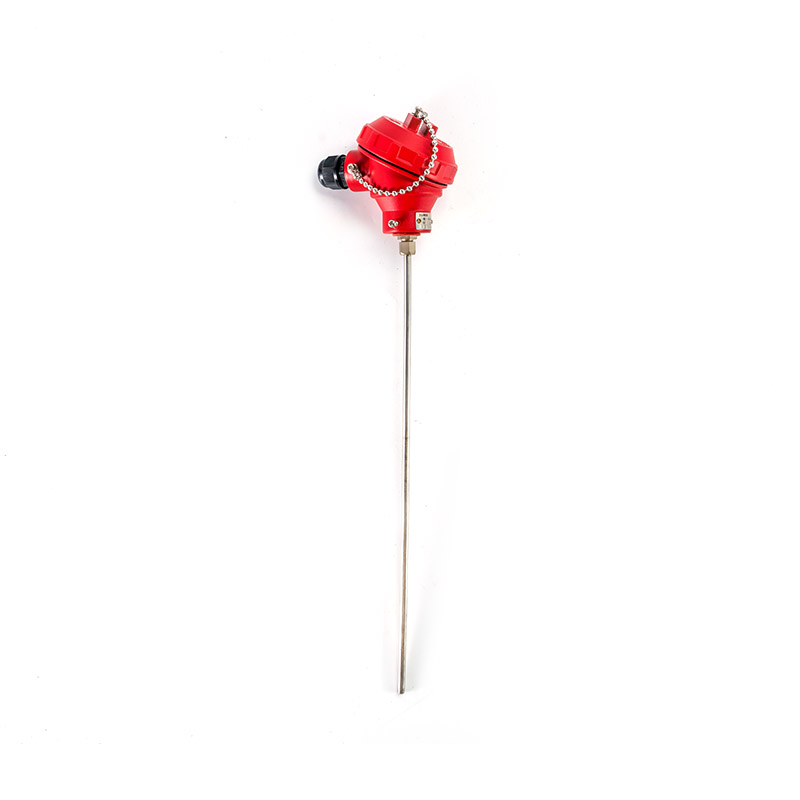 مغمد RTD يتكون من أنبوب حماية من الفولاذ المقاوم للصدأ، ومسحوق عازل لأكسيد المغنيسيوم، ومجموعة من الأسلاك الحرارية، بشكل عام عن طريق ضغط القالب الصلب، مع الضغط، ... عرض المنتج →
 من الأفضل فهم مبدأ عمل RTD من خلال النظر إلى العنصر المعدني داخل المسبار. يُظهر البلاتين والنيكل والنحاس زيادة متوقعة في المقاومة مع ارتفاع درجة الحرارة. إن معامل درجة الحرارة الإيجابي هذا هو السبب وراء إمكانية استخدام RTD كجهاز دقيق لقياس درجة الحرارة.
يحتوي مسبار RTD الصناعي القياسي على عنصر استشعار، وغلاف خارجي أو مبيت، ومواد عازلة، ورأس اتصال. يتم قياس الإشارة كمقاومة كهربائية بالأوم. يقوم جهاز الإرسال أو بطاقة الإدخال التناظرية بتحويل قيمة المقاومة إلى قراءة لدرجة الحرارة بناءً على منحنى معايرة المستشعر. هذا التحويل هو سبب اعتبار RTD حلاً مستقرًا وقابلاً للتكرار في العديد من أنظمة قياس العمليات.
بالنسبة للمشترين الذين يقومون بتقييم الشركة المصنعة لأجهزة قياس درجة الحرارة، الشيء المهم الذي يجب معرفته هو أن سلوك RTD يعتمد على نقاء عنصر الاستشعار وبنيته. توفر RTDs البلاتينية أفضل خطية واستقرار على المدى الطويل. عناصر النيكل والنحاس أقل تكلفة ولكن لها فترات حرارة أقصر قابلة للاستخدام. عندما تنظر إلى قائمة أسعار الجملة من أ مورد أدوات درجة الحرارة غالبًا ما تكون مادة العنصر هي السبب الأكبر لفرق السعر.
تصف أنواع RTD البناء والحماية المتوفرة في المسبار. يقوم المورد المتخصص بتصنيف RTDs في مجموعات قياسية قليلة حتى يتمكن المستخدمون من مطابقة التصميم مع بيئة التشغيل. ويقدم الجدول التالي لمحة سريعة.
| نوع آر تي دي | الميزة الهيكلية | الاستخدام النموذجي |
|---|---|---|
| الجمعية الحق في التنمية | أنبوب حماية منفصل مع عنصر قابل للاستبدال | الأنابيب والخزانات العملية العامة |
| مغمد RTD | نظام متحد المحور يعزل ويحمي عنصر الاستشعار | تهتز الآلات ومساحات التثبيت الضيقة |
| مقاومة للانفجار RTD | يمنع غلاف المنطقة الخطرة اشتعال الغاز المحيط | معالجة النفط والغاز، المصانع الكيماوية |
| مقاومة للتآكل RTD | طرف وقائي صلب للوسائط المحملة بالجسيمات | خطوط معالجة المسحوق والأسمنت والملاط |
| محطة توليد الكهرباء RTD | تصميم مسبار طويل مع مقاومة عالية للاهتزاز | المحامل والمحركات وأنظمة التبريد |
يبدأ منطق الاختيار من متطلبات العملية. عندما تكون البيئة المثبتة نظيفة ويمكن استبدال العنصر، يكون تجميع RTD فعالاً من حيث التكلفة. عندما يتم تركيب المستشعر في منطقة مدمجة، يكون توجيه RTD المُغلف أسهل. تتطلب المواقع الخطرة إنشاءات مقاومة للانفجار. بالنسبة لقرارات الشراء ذات الأولوية القصوى، فإن قدرة المورد على توفير هذه الخيارات بدرجة جودة متسقة لها أهمية بقدر السعر.
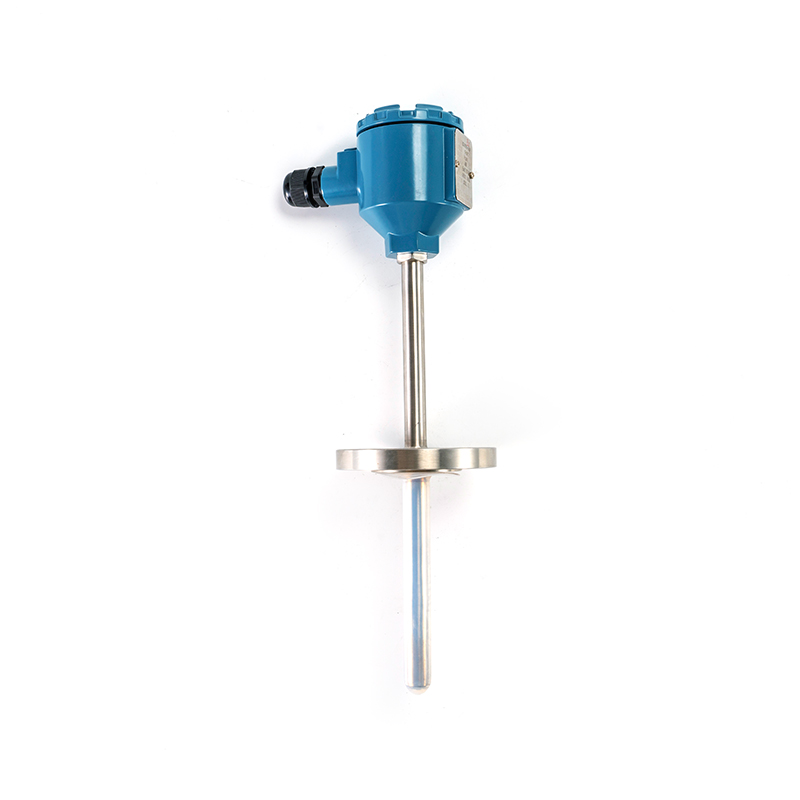
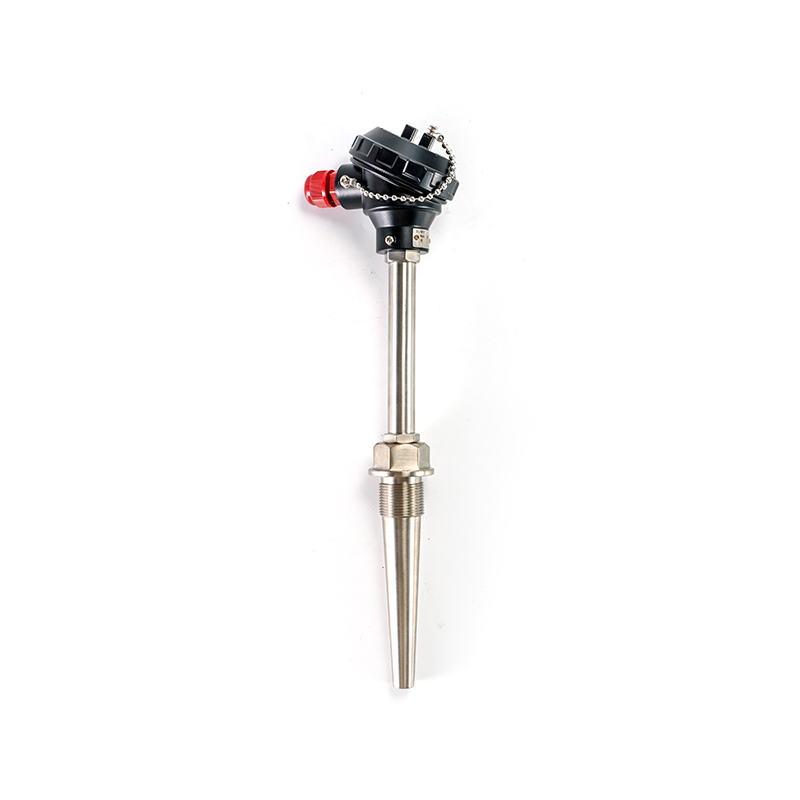 الجمعية الحق في التنمية تستخدم عادةً مع أداة العرض وأداة التسجيل والكمبيوتر والمرافق الأخرى، والقياس المباشر لعملية إنتاج المواد الصلبة السائلة والبخارية والغازية... عرض المنتج →
 يعد الاختيار بين RTD والمزدوجة الحرارية أحد أهم القرارات في قياس درجة الحرارة. يعمل المستشعران وفقًا لمبادئ مختلفة ويتصرفان بشكل مختلف أثناء الخدمة. من أول الأشياء التي يطلبها المشترون هو المدى الذي يمكن أن يصل إليه كل مستشعر في عملية معينة. يلخص الرسم البياني أدناه تقييمات درجات الحرارة القصوى النموذجية لفئات دقة RTD الشائعة والمزدوجة الحرارية القياسية من النوع K. هذه القيم تقريبية وتفترض أن الهواء هو وسيلة القياس.
يتم تطبيق RTDs من الفئة AA عادةً في المجالات عالية الدقة مثل المعايرة واختبار كفاءة الطاقة. درجة الحرارة القصوى لها محدودة لأنه يصبح من الصعب الحفاظ على الدقة الدقيقة عند درجات الحرارة المرتفعة. توفر أجهزة RTDs من الفئة A توازنًا عمليًا بين الدقة وتغطية درجة الحرارة لمعظم الصناعات العملية. توفر RTDs من الفئة B أوسع نطاق لدرجة الحرارة بين فئات RTD القياسية، مما يجعلها خيارًا شائعًا عندما لا يكون القياس الشديد هو الأولوية. تصل المزدوجات الحرارية من النوع K إلى درجات حرارة أعلى بكثير من أي فئة RTD قياسية. ومع ذلك، فإن دقة المزدوجات الحرارية في درجات حرارة مرتفعة تكون عمومًا أقل من دقة RTDs البلاتينية. بالنسبة لمشتري B2B الذي يقارن موردًا أو تاجر جملة، فإن الحد الأقصى لدرجة الحرارة ليس سوى جزء من التقييم. يعتمد القرار الحقيقي عادة على التسامح والاستقرار المطلوبين عند درجة حرارة التشغيل. إذا كانت درجة حرارة العملية أقل من 850 درجة مئوية، فغالبًا ما توفر أجهزة RTDs من الفئة B خطية أفضل من المزدوجة الحرارية. إذا تجاوزت العملية 1000 درجة مئوية، تصبح المزدوجة الحرارية هي الخيار الأكثر ملاءمة. في العديد من تطبيقات النفط والغاز والطاقة، يختار المهندسون RTD المقاوم للانفجار عندما تسمح درجة الحرارة بذلك بسبب إمكانية التكرار الأفضل.
تستمر المقارنة خارج نطاق درجة الحرارة. تُظهر RTDs عمومًا استجابة أسرع في المناطق ذات درجات الحرارة المنخفضة، بينما تستجيب المزدوجات الحرارية بشكل أسرع في الطرف العلوي. يتم قياس دقة RTD بأعشار الدرجة القريبة من 0 درجة مئوية، في حين أن دقة المزدوجات الحرارية تسوء عند درجات الحرارة المرتفعة. التكلفة هي عامل آخر: السعر الأولي لـ RTD عادة ما يكون أعلى من المزدوج الحراري، ولكن التكلفة الحقيقية تشمل تردد الانجراف والمعايرة. لمزيد من المعلومات حول اختيار المزدوجات الحرارية، راجع دليلنا التفصيلي حول هيكل الحرارية والاختيار .
تتعامل فرق المشتريات الصناعية مع اختيار RTD بشكل مختلف من مصنع إلى آخر. يربط الجدول أدناه سيناريو التطبيق النموذجي بنقطة التحديد الأكثر أهمية في هذا الموقف.
سيناريو التطبيق
| اعتبارات الاختيار
|
عندما تعمل مع مصنع أو مورد، يجب عليك أن تسأل عن فئة التسامح، ونطاق درجة الحرارة، وفئة الحماية. تحدد هذه العوامل الثلاثة ما إذا كان RTD سيخدم العملية بشكل موثوق. غالبًا ما يقوم المشترون الذين يستوردون من تاجر الجملة بمقارنة جودة المواد والعزل قبل النظر إلى السعر النهائي. يمكن أن يؤدي تحديد RTD الخاطئ إلى فشل المستشعر، أو إيقاف التشغيل غير المخطط له، أو قراءات غير دقيقة تؤثر على جودة المنتج.
 مقاومة للانفجار RTD مقاومة للانفجار RTD usually and display instruments, recording instrumentation, electronic computing and other facilities, the direct measurement of the production sit... عرض المنتج →
 لا يحتاج RTD إلى استبدال متكرر إذا تم تركيبه وصيانته بشكل صحيح. أوضاع الفشل النموذجية هي الأسلاك المكسورة، ودخول الرطوبة، والانجراف في عنصر الاستشعار. برنامج صيانة بسيط يقلل من الحاجة إلى المشتريات الطارئة.
إذا كانت قراءة RTD منخفضة جدًا، فهذا يعني وجود تلف في الدائرة القصيرة أو العزل. إذا كانت القراءة عالية جدًا، فتحقق من ضعف الاتصال في الكتلة الطرفية. عندما يتعرض المستشعر لدورة حرارية متكررة، يمكن أن يؤدي الضغط على العنصر إلى تسريع الانجراف. إن العمل مع الشركة المصنعة للحصول على مستشعر من الفئة A أو الفئة B منخفض الانجراف يوفر أداءً أفضل على المدى الطويل في الحلقات الحرجة.
الأسئلة التالية شائعة بين المهندسين والمشترين الذين يتصلون بالشركة المصنعة لجهاز استشعار درجة الحرارة.
ما الذي يعنيه RTD؟يعنيRTD كاشف درجة حرارة المقاومة. إنه مستشعر درجة الحرارة الذي يحول تغير مقاومة المعدن إلى قراءة درجة الحرارة. المعدن الأكثر شيوعًا المستخدم في تصميمات RTD الموجهة نحو الكفاءة هو البلاتين. |
ما هو الفرق بين RTD والمزدوجة الحرارية؟يقيس RTD درجة الحرارة من خلال تغير المقاومة ويوفر دقة عالية وتكرارًا تحت 850 درجة مئوية للفئة B. تقيس المزدوجات الحرارية الجهد الناتج عن تقاطع معدنين مختلفين وتصل إلى درجات حرارة أعلى مع استقرار أقل. |
ما هي أنواع RTD المناسبة للمناطق الخطرة؟مقاومة للانفجار RTDs and multi-point explosion-proof RTDs are designed for air with flammable gases. They are enclosed in a flameproof or intrinsically safe housing and certified for use in explosive atmospheres. |
كم مرة ينبغي معايرة RTDs الصناعية؟في معظم محطات المعالجة، تتم معايرة RTDs مرة واحدة في السنة. في التطبيقات المهمة مثل توربينات التعقيم أو أنظمة مراقبة الطاقة عالية الدقة، يتم التخطيط للمعايرة كل ستة أشهر أو بعد كل إيقاف للصيانة. |
تعد تقنية RTD تقنية ناضجة، لكن اختيار التقنية المناسبة لا يزال يعتمد على الصورة الكاملة. أولاً، تحقق من نطاق درجة الحرارة المطلوبة وفئة التسامح. ثانيا، التحقق من البيئة الميكانيكية والكيميائية. ثالثًا، حدد ما إذا كان RTD القياسي أو التجميعي مفضلاً لراحة الصيانة. بالنسبة للمواقع ذات درجات الحرارة العالية والخطرة، يجب تأكيد فئة الحماية مع الشركة المصنعة.
عندما تقوم بتقييم الشركة المصنعة أو المورد، انظر إلى كيفية بناء عنصر الاستشعار ومدى حماية الجسم. ستوفر إحدى الشركات المصنعة المتخصصة لأجهزة قياس درجة الحرارة الصناعية بيانات واضحة حول الدقة ووقت الاستجابة والقيود البيئية. تستفيد طلبات البيع بالجملة أيضًا من المورد الذي يمكنه تقديم مواد متسقة وإجراءات مراقبة الجودة.
تقوم مجموعة Xinguo بتزويد أجهزة RTD وأجهزة قياس درجة الحرارة الأخرى للمشترين في جميع أنحاء العالم، مدعومة بمواد السبائك الخاصة بنا وسلسلة الإنتاج الكاملة. بدءًا من أجهزة الاستشعار RTD المغلفة ووصولاً إلى أنواع التجميع والمقاومة للانفجار، فإننا نساعدك على اختيار مستشعر موثوق به يناسب ظروف الخدمة المحددة الخاصة بك.



 سؤال
سؤال
 English
 عربى
عربى русский
 中文简体
中文简体